

Keep in mind that water and other zero-calorie drinks are better for hydration. Avoiding sugar-sweetened options is ideal, as these can raise blood glucose, drive unwanted weight gain, and increase diabetes easy way to stop drinking risk. So-called “exercise snacks” also help prevent the damage that sitting for prolonged periods can do. Exercise snacks mean you break up your sitting time every 30 minutes for just a few minutes throughout the day.
How Does Tracking Progress Maintain Motivation During Recovery?
- Local support groups and mutual aid groups can also offer a sense of community and encouragement, helping you stay motivated and reduce the risk of relapse.
- Many people drink to manage untreated anxiety, depression, trauma, or chronic stress.
- If you’ve decided to stop drinking alcohol on your own, here are a few tips that may help make the process easier.
- Making positive lifestyle changes can help you maintain your progress and support your mental health.
- For the next week, try keeping a journal about your drinking.
Male low-risk drinkers consume no more than four drinks a day and 14 in a week. Discover affordable rehab centers near you, offering easy access and convenience. Stay close to family and friends while getting the support you need. Fortunately, there are plenty of ways to connect and socialize with friends or family today. You can hop on an online hang out or play video games if you can’t physically see your loved ones. If push comes to shove, you can always seek treatment.
Sip fluids throughout the day.
If you can’t join a physical meeting, most support groups also offer online meetings. Treatment facilities use medication with behavioral therapy to help you detox and recover from alcohol. what is alcoholism They also offer programs and techniques to help you maintain sobriety after treatment. Quitting alcohol can be stressful and overwhelming.
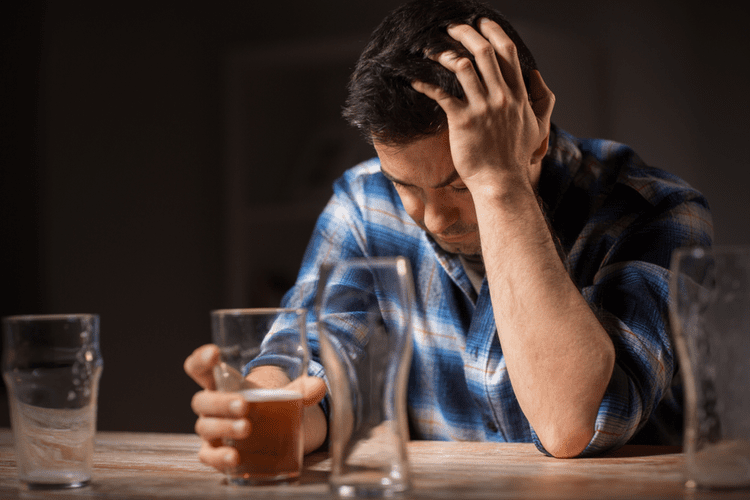
Understanding Alcohol as a Disease

It’s almost important to avoid place that tempt you to drink. While these changes may feel drastic, they’re powerful steps toward protecting your progress. Or maybe you’re just tired of feeling disconnected and physically worn down. Reference and let it guide you when things get hard. Quitting alcohol alone is harder for some than others, but there’s no need to go it alone.
- If your relationship is predicated entirely on going out and getting drunk together, this news might feel threatening or like a loss to them.
- No rule in either program prohibits that and it might even be more helpful than just one or the other.
- Exploring mindful drinking can also help you become more aware of your emotional triggers and make more intentional choices.
- It’s always a good idea to check in with a healthcare professional before making a big change to your drinking habits.
- Without it, you’ll likely wake up feeling more refreshed and energized.
- Whatever you choose, make sure it is an enjoyable activity that can help distract you as you move past the trigger and towards continued sobriety.
Practice a few simple, polite ways to decline a drink so you feel confident in the moment. A simple, “No thanks, I’m good for now,” or “I’ll just have a sparkling water, thanks! Remember, you don’t have to drink just because others are. Your well-being is the priority, and a polite but firm “no” is a powerful way to honor your goals. Often, drinking is a way to fill a space in our day—whether that space is caused by boredom, stress, or the simple need for a ritual to mark the end of a long day. The key is to find something positive to fill that space instead.
Decide how you Will Quit
Quitting alcohol can feel daunting, especially when drinking has become a regular part of your lifestyle. Where they really part ways is in the idea that once you stop drinking, your problems are solved. In AA, they believe that you must continue certain practices to work on yourself and help others if you expect to stay sober.
- Social events trigger intense cravings and peer pressure.
- Proven tools and local services, such as support groups and recovery programs, are available to help you stop drinking and maintain sobriety.
- Quality friendships improve when alcohol isn’t the primary bonding activity.
- That’s where prioritizing your physical health comes into play.
- We are never badly addicted to the chemical itself.
To get you started, here’s a list of support network options.
Understanding your habits and your motivations to quit drinking can help you understand the change you’re making in your life and reinforce why it’s important. Though medical treatments may be necessary depending on the cause, several simple dietary and lifestyle changes may help reduce water retention and promote fluid balance. If you’re asking, how do I stop drinking alcohol safely? A medical professional can help you understand whether detoxing at home is safe or if you need supervised care. Withdrawal symptoms can be serious, and your health deserves careful attention. That said, If you’ve been drinking excessively, then stopping drinking cold turkey can lead to withdrawal symptoms.
Following a balanced diet and limiting processed foods and refined carbs may be especially beneficial. However, some of these tips are supported only by anecdotal evidence, not by research. However, larger, more recent studies are necessary to support these benefits. The most common advice for reducing water retention is to https://ecosoberhouse.com/ decrease sodium intake.