


Depending on the company’s management, they will either create a separate retained earnings statement or sometimes prepare a combined statement of income and earnings. A retained earnings statement displays what’s going in and out of the retained earnings account. It reflects the accumulation of profits and the distribution of those profits to the owner or shareholders.
How Does a Balance Sheet Show Retained Earnings?

While reinvesting profits https://www.bookstime.com/ to fuel growth is common, misusing debt or continuously paying high dividends without sufficient profits can lead to a downward financial spiral. Contact us so we can help determine what’s appropriate for your situation and answer any lingering questions you might have about your business’s statement of retained earnings. A Net Loss decreases retained earnings as it represents a reduction in the company’s accumulated profits. Conversely, if a company experiences a net loss, this amount is subtracted from the retained earnings. This decrease reflects the reduction in accumulated profits due to the loss incurred.
Retained Earnings vs. Net Income: What is the Difference?
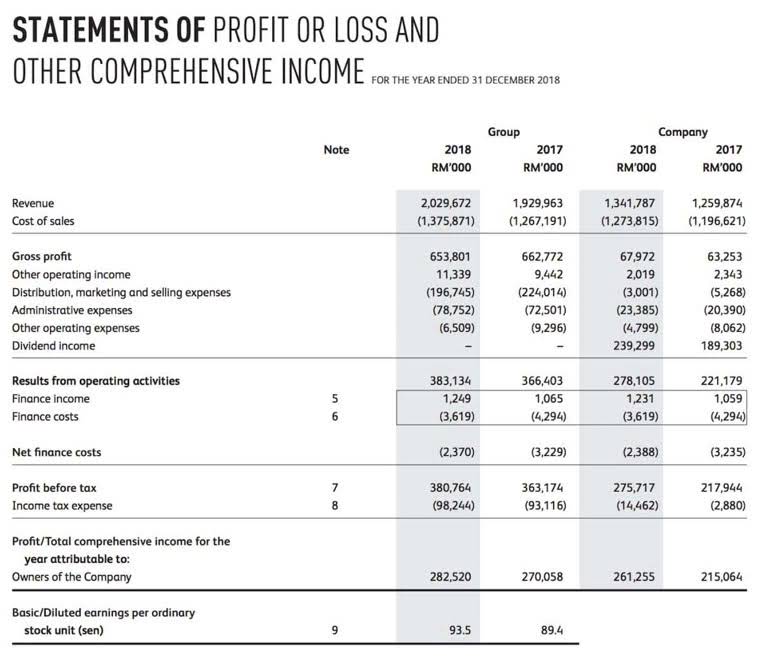
Income statements are financial documents that detail a company’s revenue, expenses, retained earnings, net income, and dividends paid out to shareholders. The net income of a company is detailed, including the funds allocated to meet specific commitments other than paying dividends to shareholders, and any sum spent toward recouping losses. Retained earnings are a part retained earnings represents of the equity section of a company’s balance sheet. They represent the cumulative amount of net income that has been retained rather than distributed as dividends. An increase in retained earnings contributes to the growth of shareholder equity, enhancing the company’s overall financial health.
Creating Accurate and Effective Financial Projections for Your Business
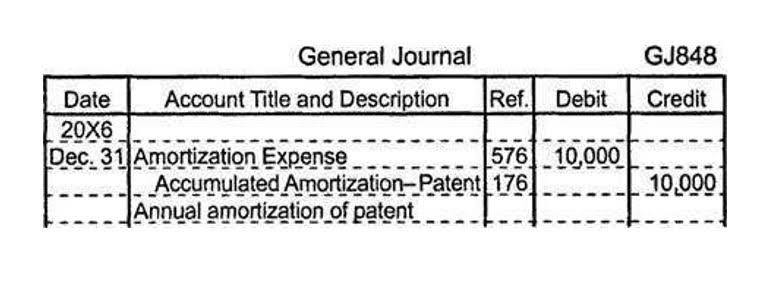
While the term “retained earnings” might sound like something only accountants care about, it’s actually one of the most important indicators of a company’s financial health. In simple terms, retained earnings are the profits a company keeps, rather than distributing them to shareholders as dividends. Think of them as the company’s savings—funds that are reinvested into the business to support growth, pay down debt, or prepare for future uncertainties. Retained earnings are petty cash recorded under the shareholders’ equity section of the balance sheet.

- This financial metric provides insights into a company’s ability to generate profits over time and its commitment to growth and stability.
- This figure is crucial as it reflects the company’s ability to reinvest in its operations, pay down debt, or save for future opportunities.
- Whether you’re trying to secure funding, plan for the future, or simply make better decisions, mastering the concept of retained earnings is indispensable.
- Income statements are financial documents that detail a company’s revenue, expenses, retained earnings, net income, and dividends paid out to shareholders.
- Adjusting the market price per share based on the percentage of the stock dividend is necessary since the announcement of a stock dividend alone has not generated any tangible value for the firm.
In the context of accounting, retained earnings are reported on the balance sheet under shareholders’ equity. This figure is updated periodically, typically at the end of each fiscal period, to account for the net income earned and dividends paid out during that time. Accurate tracking of retained earnings helps stakeholders understand the company’s profitability and decision-making related to profit allocation. It is typically reported on the balance sheet under shareholders’ equity, reflecting the accumulated profits that have been reinvested.
Everything You Need To Master Financial Modeling

You can use them to further develop your business, pay future dividends, cover any debt, and more. One of the most important things to consider when analysing retained earnings is the change in the share of equity amount. If you have a decrease in retained earnings, it may show that your business’s revenue and activities are on the decline.
- A “good” retained earnings figure depends on the company’s industry, growth stage, and financial goals.
- However, shareholders have the ability to reverse the decision through a majority vote.
- For example, financial institutions are often subject to strict regulatory capital requirements that affect the use of these earnings.
- In other words, the purpose of these earnings is to reinvest the money to pay for further assets of the company, continuing its operation and growth.
- A company with high retained earnings may indicate financial stability and consistent profitability; however, it may also suggest that the company has unusually low dividend distributions.
- Therefore, the calculation may fail to deliver a complete picture of your finances.The other key disadvantage occurs when your retained earnings are too high.
- Understanding the nuances of retained earnings helps analysts determine whether management appropriately uses its accrued profits.
Retention Ratio
This relationship is essential for investors to understand as they evaluate a company’s financial position and future growth prospects. Retained earnings are the accumulated net income or profits that remain within a company after paying dividends to its shareholders. The retained earnings statement is a good place to look for financial information like the retention ratio. The retention ratio, also known as the plowback ratio, measures the percentage of a company’s earnings that are reinvested in the firm. As opposed to paying out dividends, a company’s retention ratio measures the proportion of net income kept in-house to fuel future growth.