


In such cases, using software programs or spreadsheets might be more suitable for handling comprehensive accounting data. T accounts, resembling the shape of the letter “T,” visually segregate debits on the left side and credits on the right. While it might seem like debits and credits are reversed in banking, they are used the same way—at least from the bank’s perspective.

Order Management 101: How to Improve Cash Flow and Process
This depends on the area of the balance sheet you’re working from. For example, debit increases the balance of the asset side of the balance sheet. Use the cheat sheet in this article to get to grips with how credits and debits affect your accounts. As a general rule, if a debit increases 1 type of account, a credit will decrease it.
- If you’ve spent a long time looking for an error but can’t find it or you’re unsure how to fix it, contact your accountant or bookkeeper.
- It is also used to refer to several periods of net losses caused by expenses exceeding revenues.
- Sal purchases a $1,000 piece of equipment, paying half of the purchase price immediately and signing a promissory note for the remaining balance.
- On the other hand, credits signify activities that increase liabilities, like borrowing money.
- T-accounts should be used whenever you need to track the changes in an account’s balance.
Contra Accounts: Explained, Popular Types and Examples
We must define the double-entry bookkeeping system t accounts to understand how credits and debits relate to this balance. But first, let’s examine the two Income Statement accounts, revenue and expenses. It is important to be aware of common misconceptions that can lead to errors in your accounting process. One common misconception is thinking that debits always increase an account balance, while credits always decrease it. For example, when dealing with liability accounts, a credit entry actually increases the balance. Understanding these nuances is essential to avoid misclassifying transactions.
Streamline your accounting and save time
One way to visualize debits and credits is with T Accounts. T accounts are simply graphic representations of a ledger account. AP T-account management helps ensure timely payments, proper cash Bookkeeping for Chiropractors flow management, and financial accuracy.
- For instance, if you record several sales and returns in quick succession without clear labels, you might confuse which entries offset others.
- As you can see, Bob’s equity account is credited (increased) and his vehicles account is debited (increased).
- Failure to account for all transactions can lead to inaccuracies in general ledger transactions and financial records.
- Operating costs are a type of expense, so it is debited by £2,000.
- Implementing accounting software can help ensure that each journal entry you post keeps the formula and total debits and credits in balance.
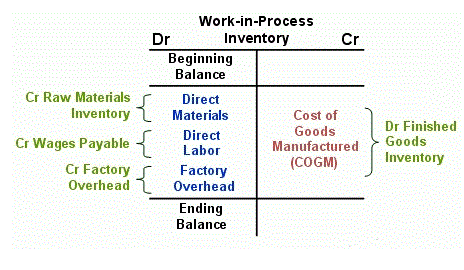
Using T-accounts can help you better understand how transactions flow through the accounting system. Another common myth is that debits and credits are interchangeable. The accounting equation ensures that every debit has a corresponding credit, but their impact on specific income summary accounts can be quite different. The key is understanding the nature of the account being impacted and whether it is increasing or decreasing.